

IPX4 means a headlamp is rated to resist splashing water from different directions. It is a practical level of protection for light rain and incidental splashes, but it does not mean the light is waterproof, submersible, dust-rated, or suitable for high-pressure washing.
That distinction matters when you use a headlamp for plumbing, fishing, camping, roadside work, or any job where damp conditions are possible. Understanding the code helps you choose the right equipment and avoid exposing a splash-resistant light to conditions it was not designed to handle.
What the letters and number in IPX4 mean
IP ratings come from the enclosure-classification system in IEC 60529. An IP code can describe protection against solid objects and water:
- IP identifies the ingress-protection code.
- X means no solid-particle rating is specified in that position.
- 4 is the water-protection level and indicates protection against splashing water.
The “X” does not mean the product has failed a dust test, and it does not mean zero protection against dust. It means the code does not state a tested solid-particle level. You should not convert IPX4 into a dust claim.
What can an IPX4 headlamp handle?
An IPX4 headlamp is intended for splash exposure. In practical use, that can include:
- light rain during a walk, campsite setup, or brief outdoor task;
- incidental splashes near a sink, hose, or wet work surface;
- water droplets from damp gear; and
- normal use in a humid or misty environment, provided the manufacturer’s instructions are followed.
IPX4 describes a controlled test condition, not a guarantee against every wet-weather situation. The condition of the product matters too. A damaged housing, open charging area, worn seal, or improper cable connection can reduce practical protection.
What IPX4 does not mean
| Exposure | Covered by IPX4? | Practical guidance |
|---|---|---|
| Light rain or incidental splashes | Yes, within the rating | Use normally, then dry and inspect the light. |
| Submersion in a sink, puddle, lake, or bucket | No | Keep the light out of standing water. |
| High-pressure hose or pressure washer | No | Do not use water jets to clean it. |
| Swimming or underwater use | No | Select equipment specifically rated for immersion. |
| Protection against dust | Not specified | The “X” provides no dust-rating information. |
Calling an IPX4 product “waterproof” is misleading. A better description is splash resistant. If your activity creates a realistic chance of immersion or forceful spray, choose a light with a rating and manufacturer guidance specifically suited to that exposure.
Is IPX4 enough for rain?
For ordinary splashes and light rain, IPX4 is a useful rating. It does not remove the need for judgment. Prolonged severe weather, driven water, damaged components, or a wet charging connection can create conditions beyond what a simple rating tells you.
Before going outside, inspect the headlamp and make sure the charging area is dry and properly closed if the design includes a cover. Carry an independent backup light when darkness would create a meaningful risk. For activities beside water, secure the light so it cannot fall into the water.
IPX4 for work around plumbing and wet surfaces
Splash resistance is helpful under sinks and around damp equipment, but it does not make a light appropriate for every electrical hazard. Water on a work surface can also create glare, conceal leaks, and increase the risk posed by other energized tools or wiring.
The Canadian Centre for Occupational Health and Safety advises inspecting portable electrical equipment for damage and using equipment suited to wet or damp conditions. Lighting helps you see the job; it does not replace isolation procedures, ground-fault protection where required, personal protective equipment, or the applicable safe-work process.
For a task-specific setup, read our guide to choosing a headlamp for plumbers working in tight, wet spaces.
How to care for a splash-resistant rechargeable headlamp
Before use
- Inspect the housing, strap, controls, charging area, and cable for damage.
- Confirm the light is charged before entering a wet or remote area.
- Keep the charging port dry and follow the supplied product instructions.
- Test the controls before your hands become wet, gloved, or dirty.
After rain or splashes
- Switch the light off and wipe away visible moisture.
- Allow the exterior and charging area to dry completely before charging.
- Do not use a pressure washer, compressed liquid spray, or intentional soaking to clean the light.
- Stop using the product if you notice cracks, swelling, corrosion, unusual heat, or unreliable operation.
Do not assume that a USB-C connector is safe to use while wet simply because the product has a water-resistance rating. Charging introduces a separate electrical connection, so the port and cable should be dry and undamaged before use.
How the Beamfort Pro COB Headlamp fits the rating
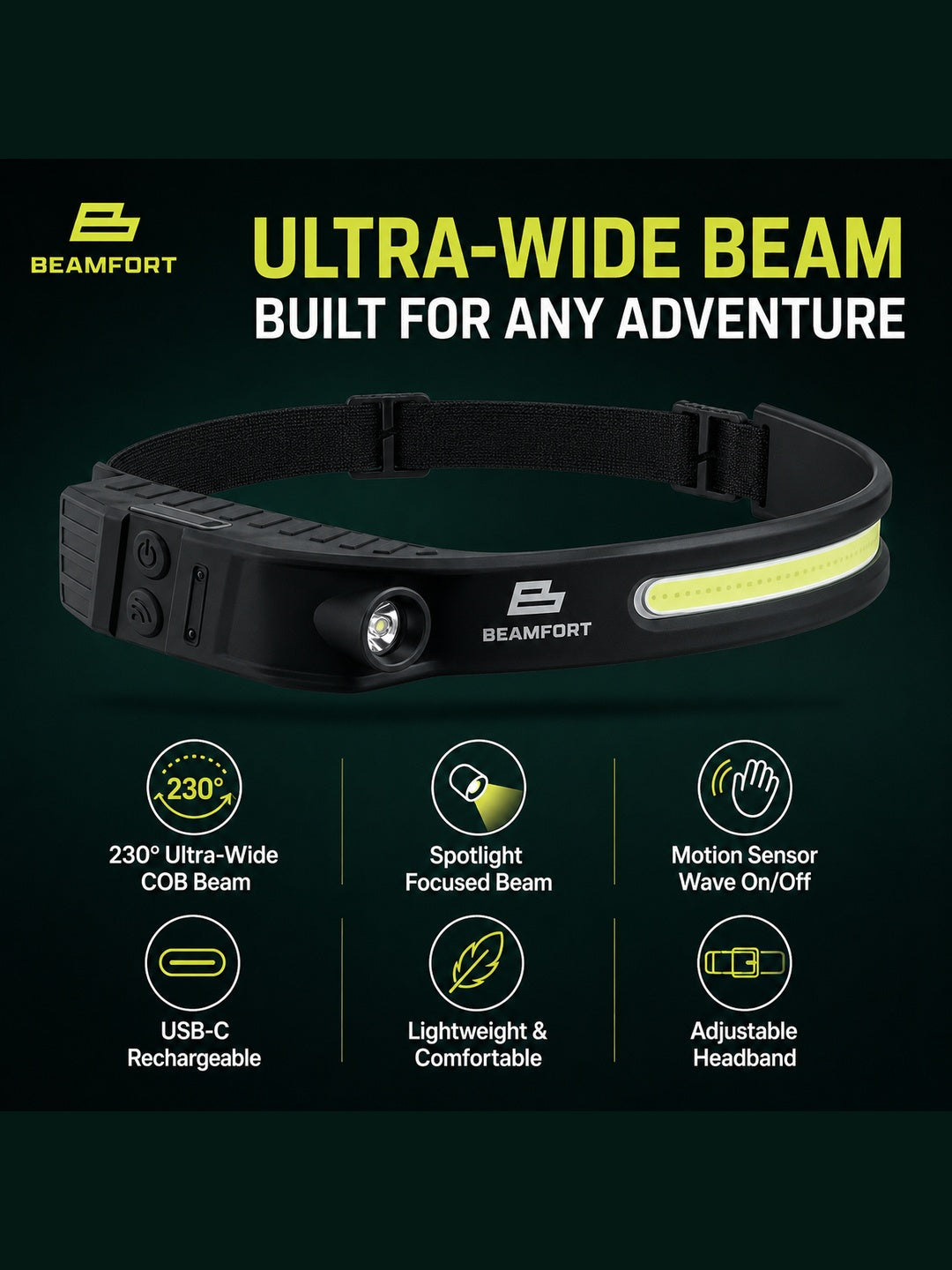
The live product specification for the Beamfort Pro COB Headlamp lists IPX4 water resistance. That makes it suited to rain and splash exposure within the limits described above—not immersion or high-pressure spray.
The same live specification lists a 230° COB flood beam, a separate SMD spotlight, four white-light settings, a 2000mAh rechargeable 18650 lithium-ion battery, USB-C charging, motion-sensor control, and an adjustable headband. The flood and spotlight are separate modes and do not operate together.
If you want a second light for a fixed close-range task, the Beamfort Pocket Light provides white and warm-yellow lighting in a slim USB-C rechargeable aluminum-alloy body. Check each product’s live specifications separately rather than assuming two lights share the same ingress rating.
A quick IPX4 decision checklist
- Light rain or ordinary splashes? IPX4 is designed for that type of exposure.
- Possible immersion? Choose equipment specifically rated for immersion.
- High-pressure cleaning or forceful spray? IPX4 is not the appropriate claim.
- Need dust protection? Look for a rating that specifies the first digit; “X” does not.
- Charging after wet use? Dry the light and charging area completely first.
The bottom line
IPX4 is a useful, specific promise: protection against splashing water. It is not shorthand for waterproof, dustproof, or submersible. Match the rating to the real exposure, inspect the light before use, and keep the charging connection dry.
Further reading: Garmin water-rating definitions and CCOHS electrical safety guidance.
White Light vs. Warm Light for Close Work: Which Should You Use?
Best Headlamp for HVAC Technicians: Attics, Crawl Spaces and Service Calls