

Introduction: Illuminating the Mechanic's World
For mechanics, precision and visibility are paramount. Whether you're peering into the depths of an engine bay, diagnosing complex electrical systems, or working under a vehicle, adequate lighting is not just a convenience it's a necessity. Traditional handheld flashlights often fall short, occupying a hand that could be better used for tools or stabilization. This is where a high-quality headlamp becomes an indispensable part of a mechanic's toolkit. In 2026, the technology behind headlamps has advanced significantly, offering more powerful, durable, and comfortable options than ever before. This guide will walk you through the essential features to consider when choosing the best headlamp for mechanics, ensuring you have the hands-free illumination you need to get the job done right.
Why a Specialized Headlamp Matters for Mechanics
The demands placed on a mechanic's headlamp are unique and rigorous. Unlike general-purpose headlamps designed for camping or hiking, a mechanic's headlamp must withstand harsh environments, provide specific light patterns, and offer exceptional durability. Here’s why a specialized approach is crucial:
- Confined Spaces: Mechanics often work in tight, dark spaces where light needs to be directed precisely.
- Grease and Grime: Tools and equipment are frequently exposed to oil, grease, and other automotive fluids, requiring robust, easy-to-clean materials.
- Impact Resistance: Accidental drops and bumps are common in a busy workshop, necessitating a headlamp that can endure impacts.
- Hands-Free Operation: Both hands are almost always needed for intricate tasks, making a headlamp superior to any handheld light source.
Key Features to Look For in 2026
When selecting a headlamp for mechanical work, several features stand out as critical for performance, safety, and comfort. Here’s what to prioritize:
Lumens and Beam Type
The brightness of a headlamp is measured in lumens. While more lumens generally mean more light, the type of beam is equally important. Mechanics benefit from:
- Spot Beam: For focused illumination on small components or deep within an engine.
- Flood Beam: For wider area lighting, useful when inspecting larger sections or moving around the workspace.
- Adjustable Focus: Many modern headlamps offer the ability to switch between spot and flood, or even adjust the focus for versatility.
For most mechanical tasks, a headlamp with 200-500 lumens is often sufficient, with higher lumen counts available for tasks requiring intense brightness.
Battery Life and Charging
A dead battery can halt work in its tracks. Look for headlamps with:
- Long Battery Life: Ensure the headlamp can last through an entire shift, or at least several hours of continuous use on a medium setting.
- Rechargeable Batteries: USB-C charging is becoming standard, offering convenience and faster charging times. Some models also feature removable, rechargeable batteries, allowing for quick swaps.
- Battery Indicators: A clear indicator of remaining battery life prevents unexpected power loss.
Durability and Water Resistance
The workshop environment is tough on equipment. Your headlamp should be too:
- Impact Resistance: Look for models with high impact ratings, often indicated by standards like IK codes.
- Water and Dust Resistance: An IP (Ingress Protection) rating of IPX4 or higher is recommended to protect against splashes, dust, and grime.
- Robust Construction: Materials like anodized aluminum or high-grade plastics offer superior resilience.
Comfort and Adjustability
A headlamp that isn't comfortable will quickly become a nuisance. Consider:
- Ergonomic Design: Lightweight models with balanced weight distribution reduce strain.
- Adjustable Straps: Ensure the strap is comfortable, non-slip, and easily adjustable, even when wearing gloves.
- Pivoting Head: The ability to angle the light beam up and down is crucial for directing light precisely without having to crane your neck.
Advanced Technologies in 2026
The year 2026 brings exciting innovations to headlamp technology, making them even more effective for mechanics:
- Smart Sensors: Some headlamps now feature ambient light sensors that automatically adjust brightness, conserving battery life and optimizing visibility.
- Gesture Control: A wave of the hand can turn the light on/off or change modes, a huge advantage when hands are dirty or gloved.
- Enhanced Optics: Advanced lens designs provide clearer, more uniform light distribution, reducing hot spots and glare.
- Magnetic Bases: Certain models include magnetic bases, allowing the headlamp to be detached and mounted on metallic surfaces for alternative lighting angles.
Choosing the Right Beamfort Headlamp
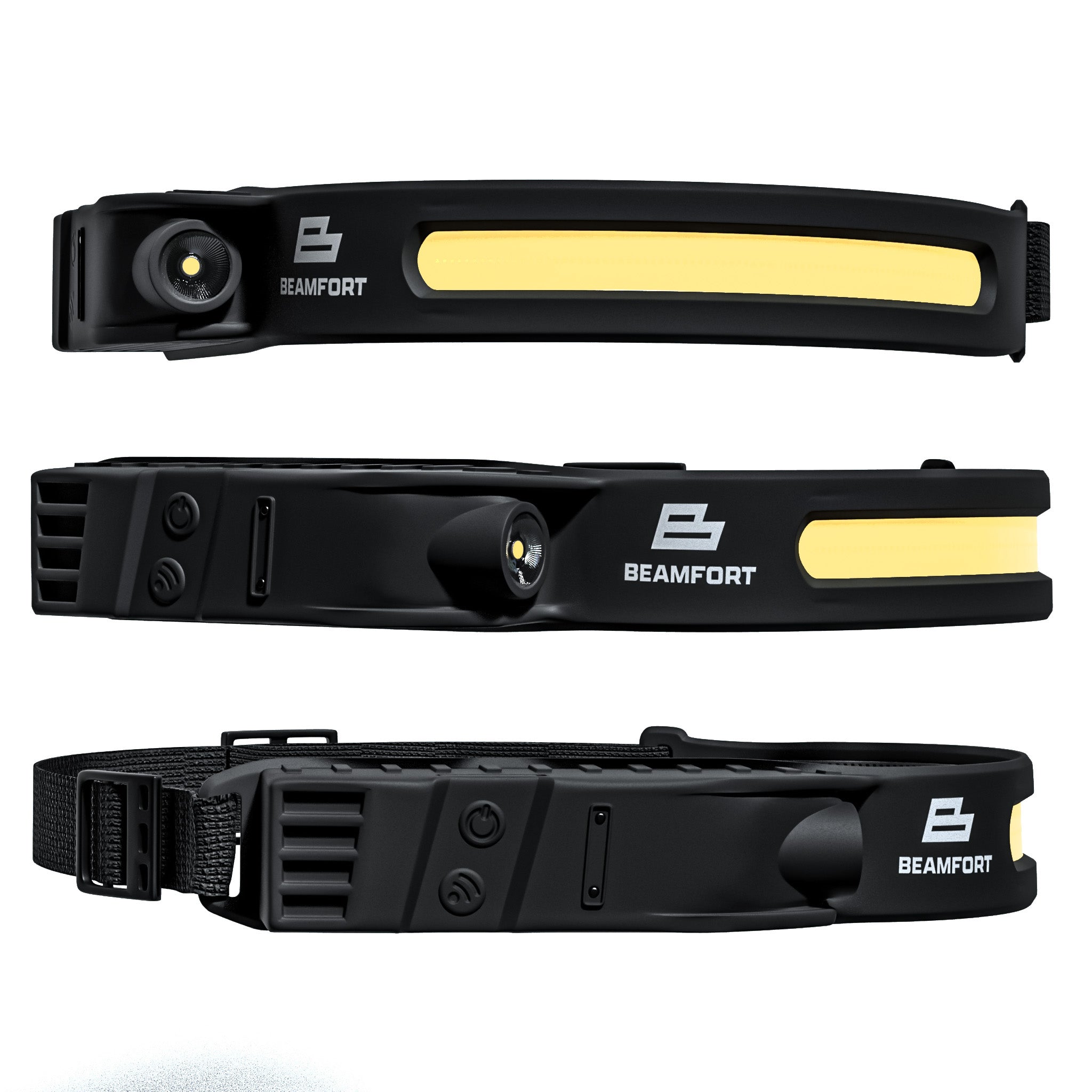
When considering your options, Beamfort headlamp offers a range of high quality solutions specifically designed to meet the rigorous demands of professional mechanics. With a focus on durability, powerful illumination, and user comfort, Beamfort provides models that integrate many of the advanced features discussed. For instance, the Beamfort Pro series often includes adjustable focus, long-lasting rechargeable batteries, and robust, impact-resistant casings, making them an excellent choice for any mechanic seeking reliable, hands-free lighting.
Conclusion: Light Up Your Work with Confidence
Investing in the right headlamp is an investment in efficiency, safety, and precision for any mechanic. By focusing on lumens, beam type, battery life, durability, and comfort, you can select a tool that will significantly enhance your ability to perform detailed work in challenging environments. The advancements in 2026 mean there's a perfect headlamp out there for every need, ready to illuminate your path to success. Choose wisely, and keep your workspace brilliantly lit.
Best Headlamp for Mechanics: COB vs LED — What Actually Works Under a Car
Why a Rechargeable Headlamp Is the Everyday Light Everyone Should Own